Author: A Natural Gardening Journey
-
February in the Garden
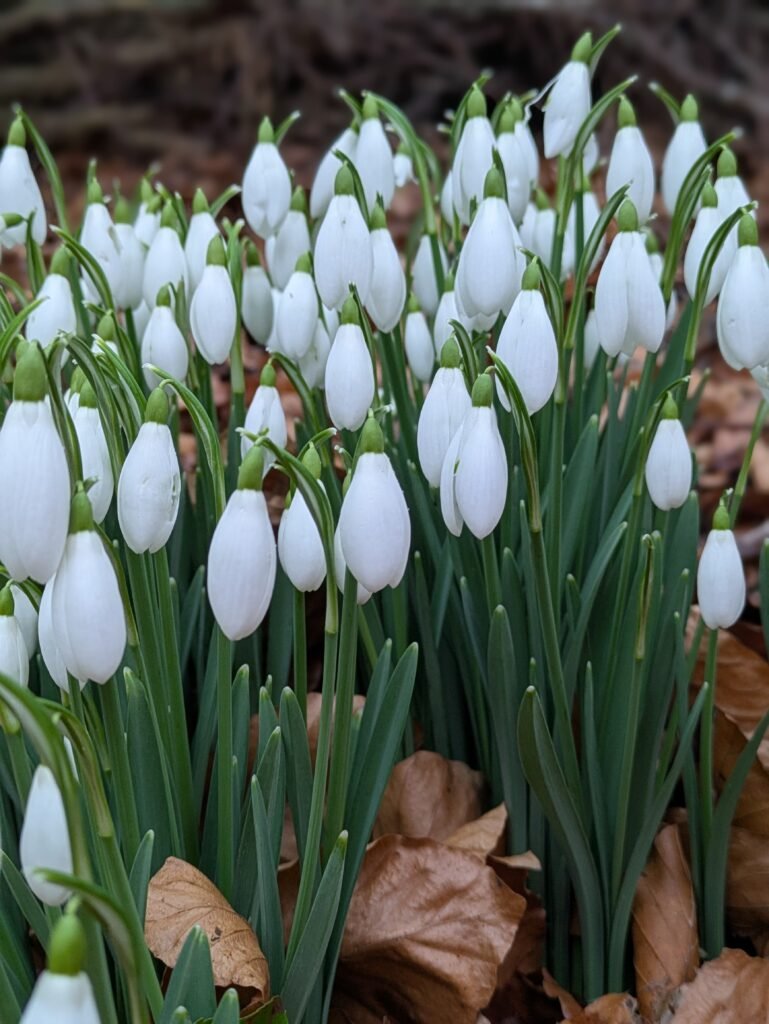
Here’s a look ahead to what you might see in the garden and the jobs that you can do during February. Things in the garden Snowdrops should be flowering already, as should hellebore. It might be a good idea to mark where they are before they die back. Primroses might be coming up and starting…
//
-
Beginner Gardener: Your Garden
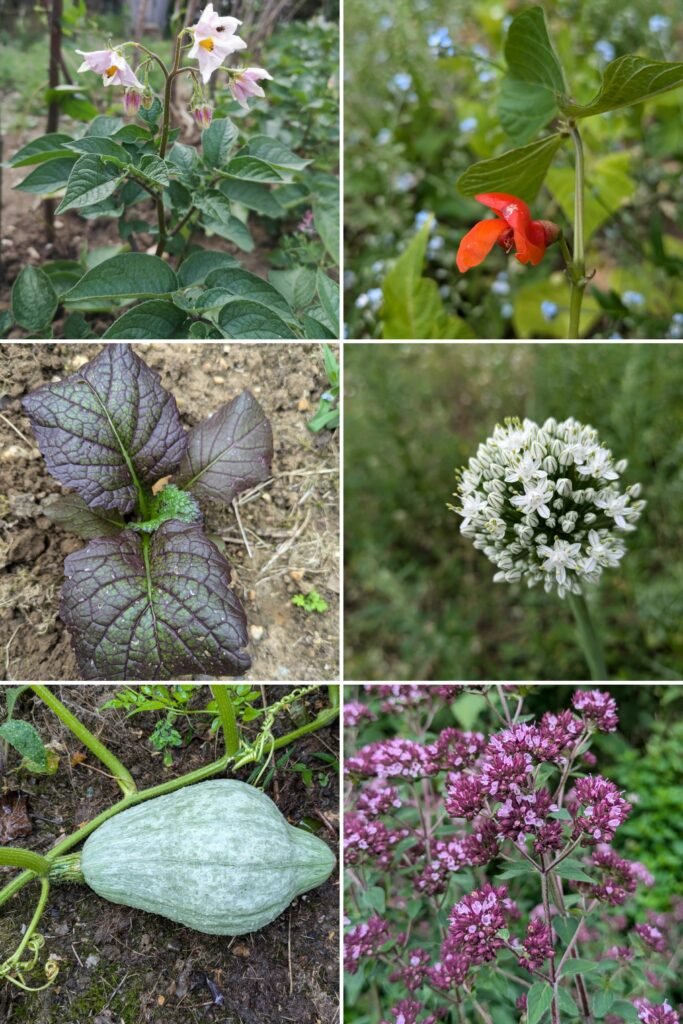
This is the end of the beginner gardener series. All of my posts will still be useful for any beginners, but this series was meant to provide all of the information for you to start in the garden. Now that we’ve covered all of the beginner plants, it’s time to look at what your plots…
//
-
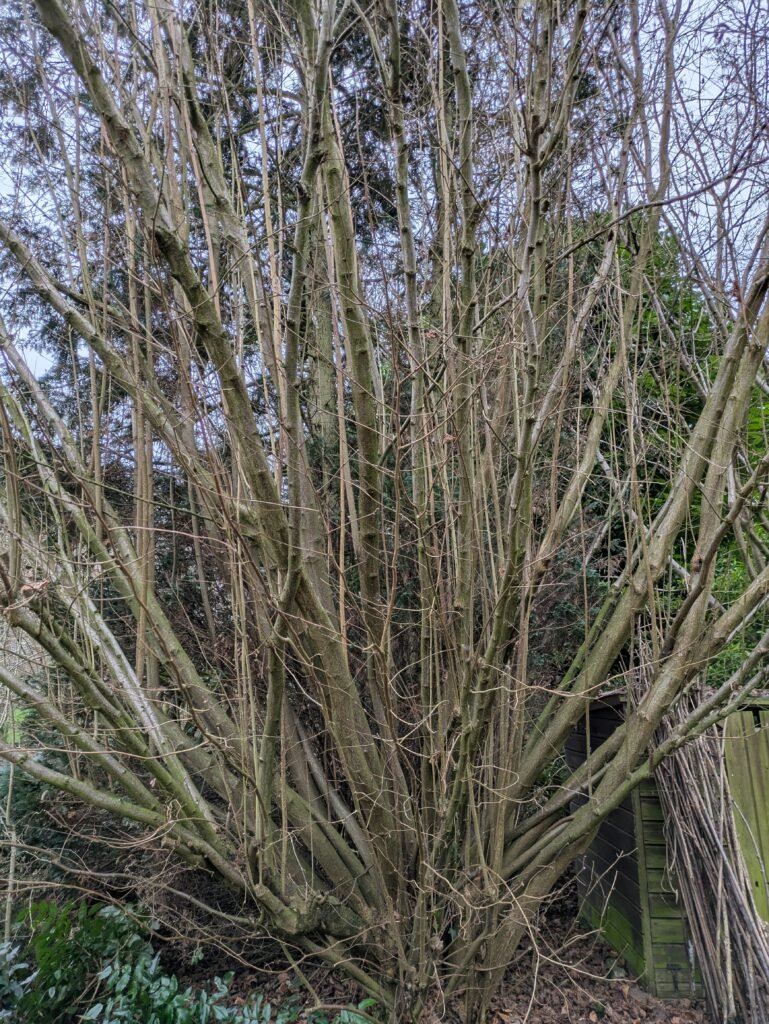
Coppicing Hazel Trees
Coppicing Coppicing a hazel tree means cutting it back down to ground level. You can still cut it back but not as extreme as that, if you want. It’s recommended because it can extend the life of a hazel tree, and encourages new growth. It might also create light for things below it to grow,…
//
-
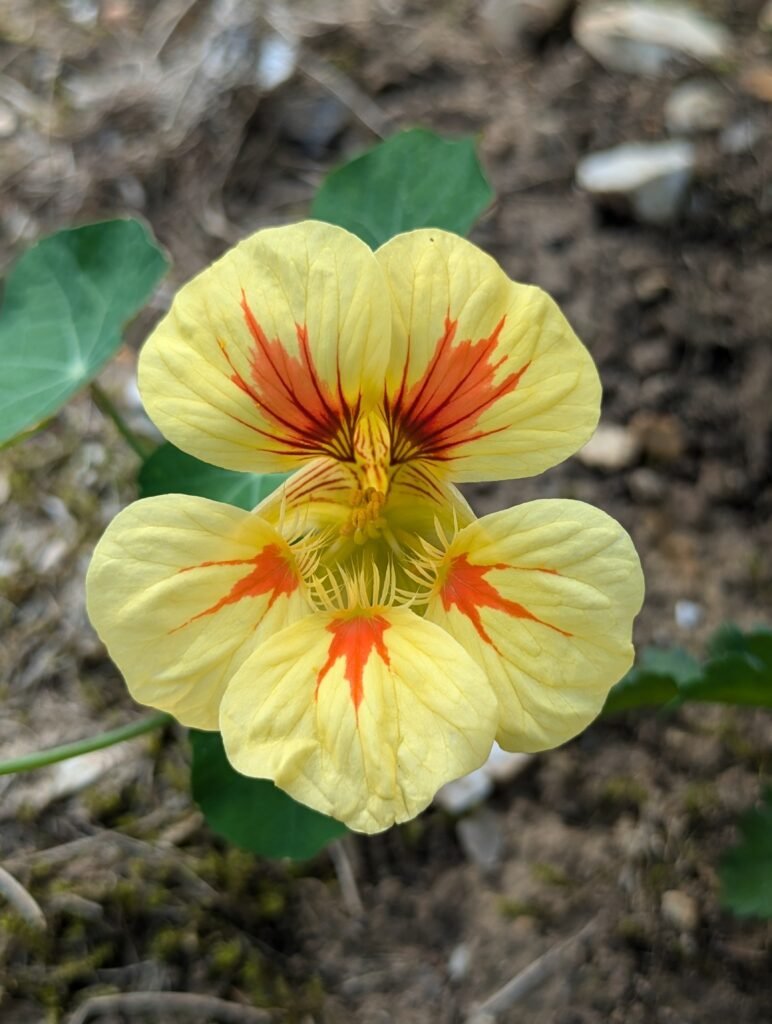
Beginner Plants: Non-Native Flowers
I’ve covered native flowers, and now it’s the turn of the non-native flowers. While it is good to plant native, provided you choose non-natives carefully and don’t let them take over, these plants can be beneficial too. Some of the below plants have been naturalised, meaning that it grows on its own in nature in…
//
-
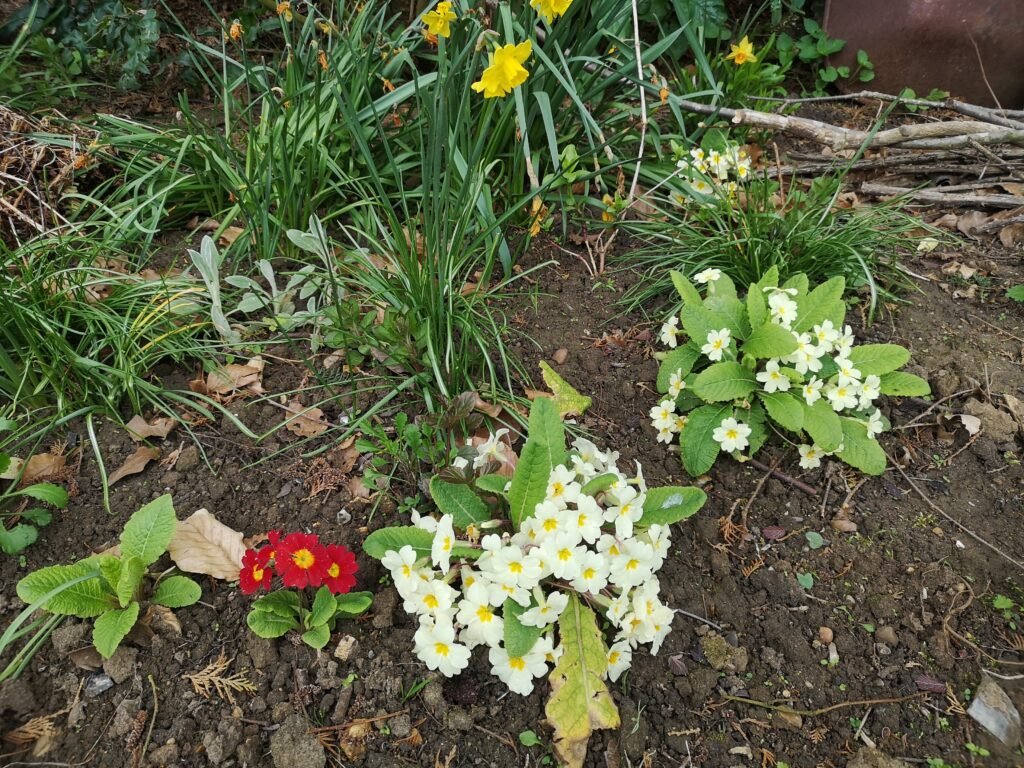
Beginner Plants: Native Flowers
The flowers I’m going to list here are native to the UK. They will attract various pollinators, and can be grown with minimum effort, mostly being able to just leave them once the seeds have been sown or planted. There are many more flowers to choose from, so there may be some native flowers that…
//
-
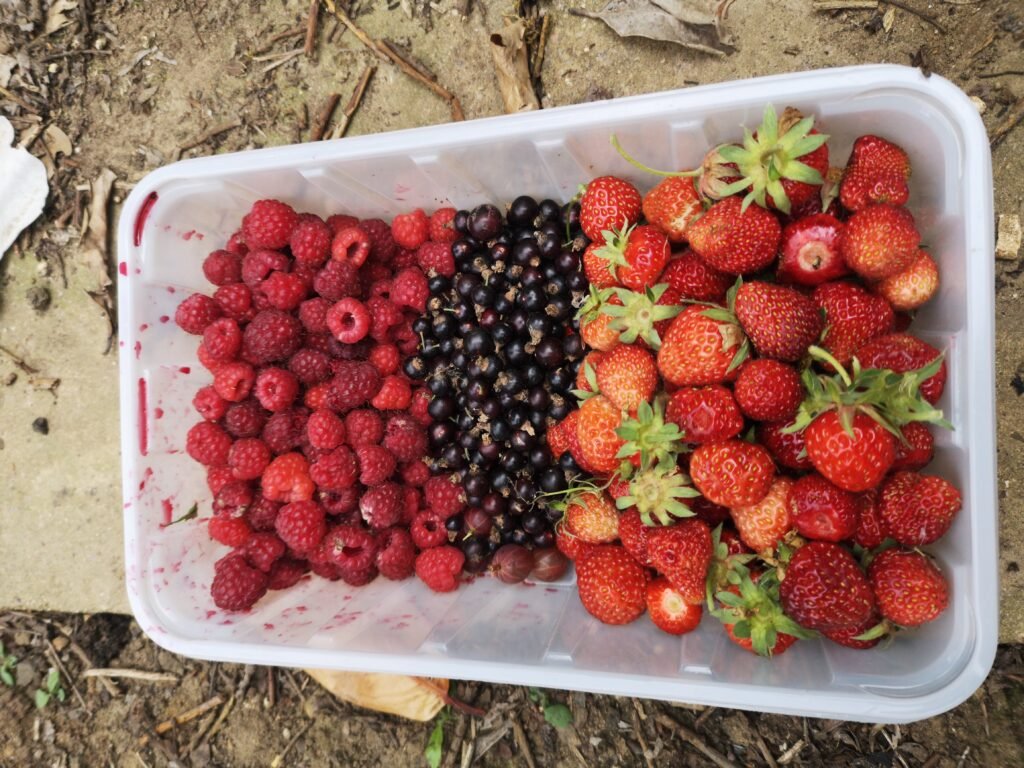
Beginner Plants: Berries
For this category, I am referring to the culinary use of the word ‘berry’, and not the botanical term. The botanical definition is a fleshy fruit that grows from a single ovary, and includes fruits like bananas, cucumbers, tomatoes, aubergines, and grapes. The ‘berries’ that I have chosen are blackcurrants, gooseberries, raspberries and strawberries. None…
//
-
Beginner Plants: Perennial Herbs
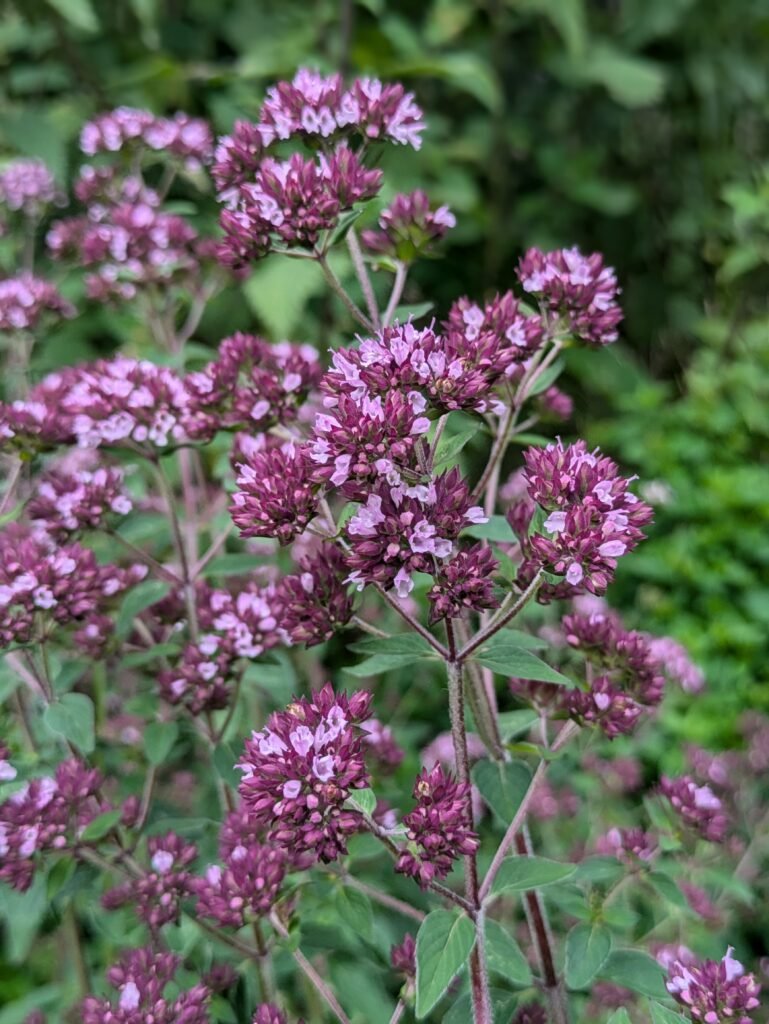
Perennial plants are plants that live for more than 2 years. So they will be a permanent or semi-permanent plant in your garden. Lemon Balm When to plant Sow seeds inside or outside from March to May. Transplant seedlings outside after all danger of frost has passed. Where to plant Lemon balm can grow in sun or…
//
-
Covering Soil with Mulch During Winter
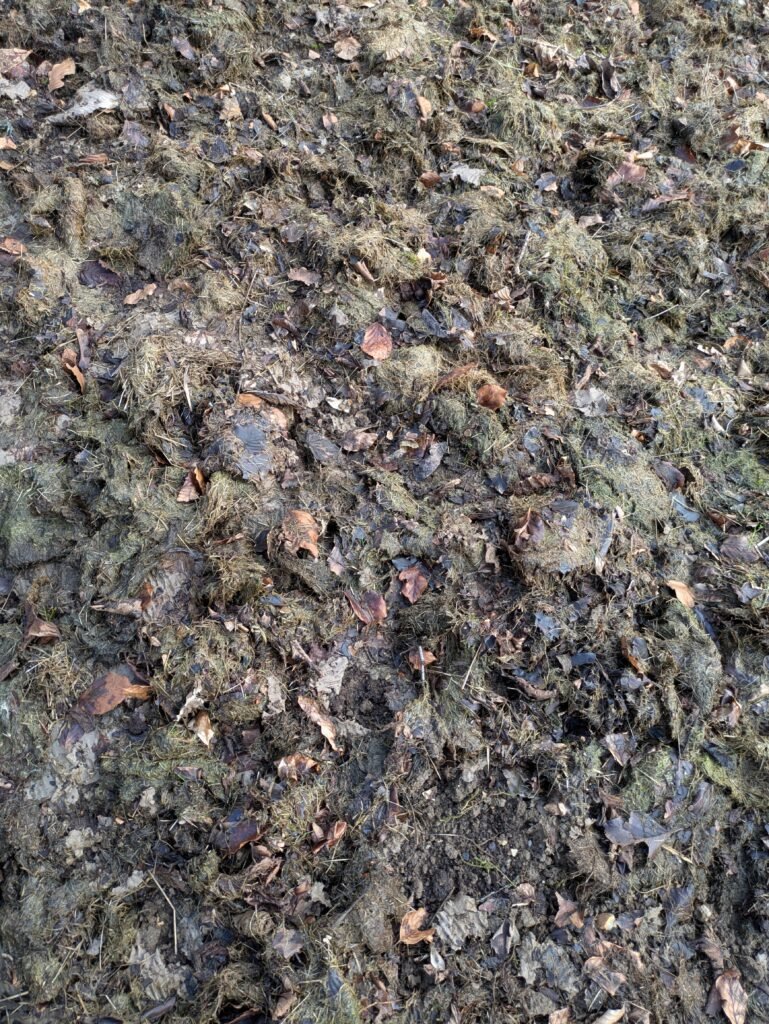
There are a few different ways in which you can cover your soil during the colder months where you won’t be growing most of your plants. This typically starts at some point during autumn, and continues until some point during spring. This mini post is about covering your soil with a layer of mulch, to…
//
-
Beginner Plants: Annual Herbs
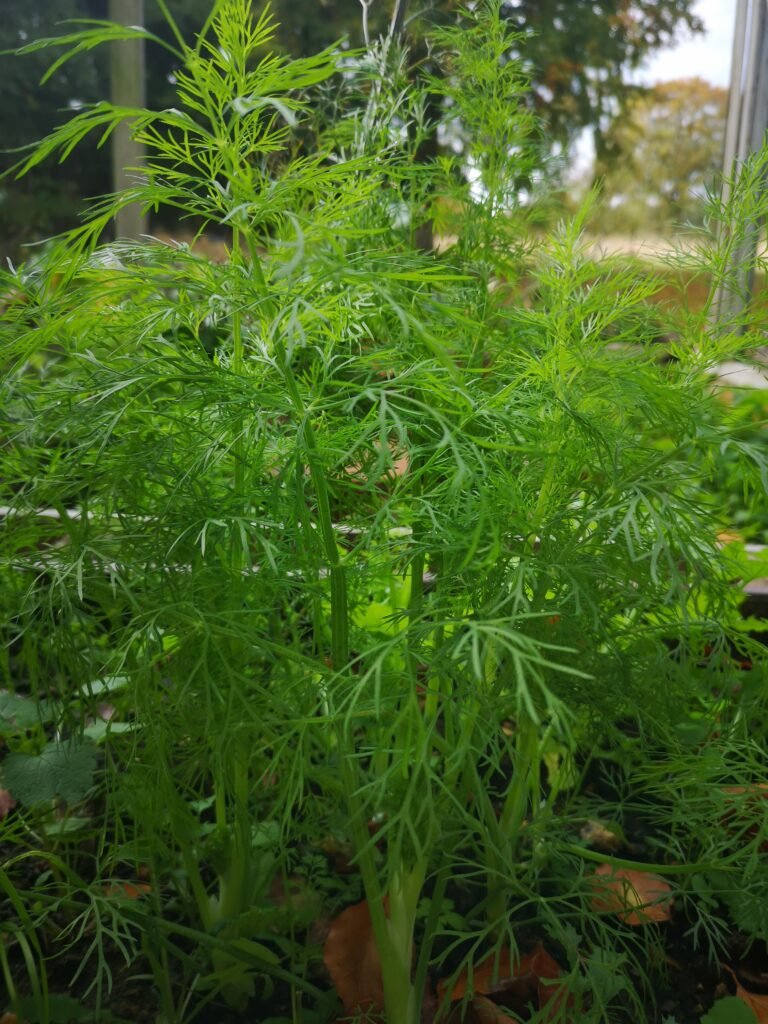
Annual plants are plants that complete their life cycle within one growing season before dying, going from seed to plant to flower to seed. Some of these plants can be kept alive through winter using certain methods, but they are generally considered annuals where you will let them die at the end of the season. Basil If…
//
-
Leafmould
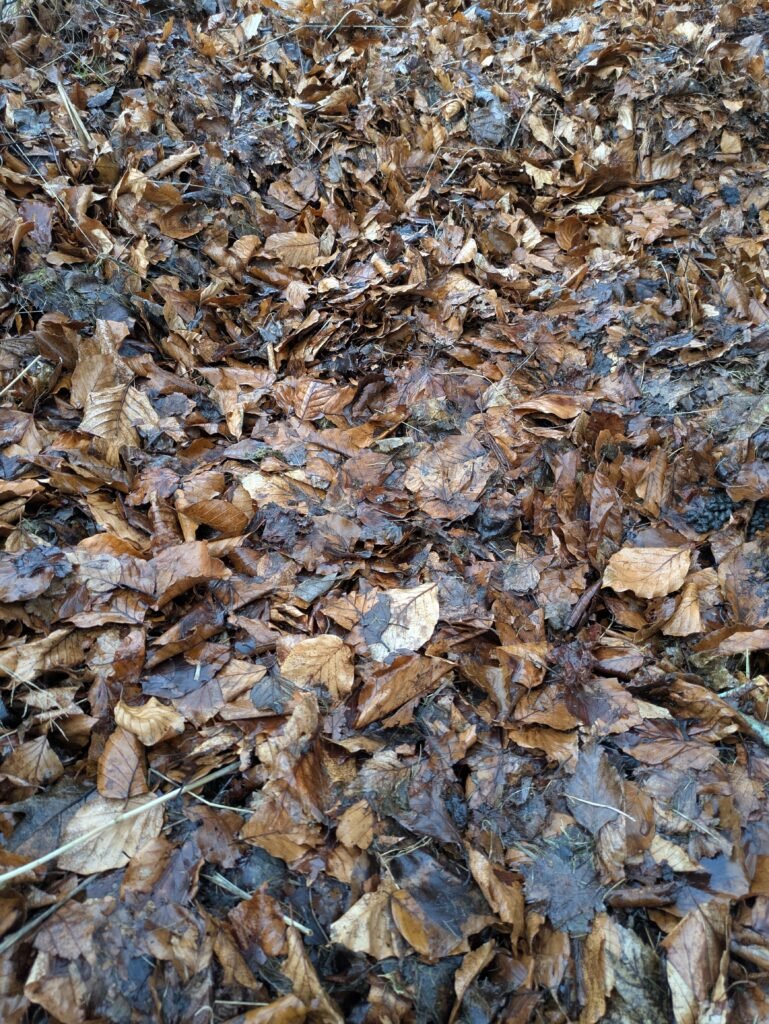
What is leafmould? Leafmould is the compost that is produced by the breakdown of leaves over time. While it doesn’t contain a huge amount of nutrients, it will still add some nutrients to your soil, and is a great soil conditioner. How do you make leafmould? Rake up fallen leaves. Then you can put them…
//